
Chris Edwards
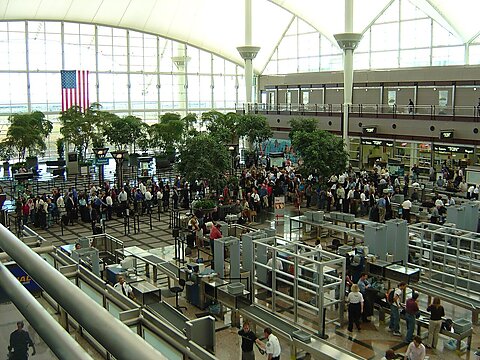
Funding for the Transportation Security Agency (TSA) has lapsed, and airport screeners across the country are not being paid. Some are staying home, which is generating long security lines at numerous airports. This is not the first time that federal budget battles have created collateral damage to the aviation industry.
The solution is for Congress to hand over TSA’s screening operations to the nation’s airports, which could then contract them to expert private security firms. As discussed in this study, that structure would insulate air travel from partisan battles in Washington and allow for greater efficiency and innovation.
It would also solve a conflict of interest in the current system: TSA both performs screening and regulates and oversees its own performance. In most other high-income nations, the government sets the overall regulatory structure and oversees the system, while airports and private firms conduct security screening.
Marc Scribner at the Reason Foundation pointed out to me that Skytrax has ranked the world’s 10 best airports for security screening, and nearly all of them use either airport personnel or private firms for screening. The US system of using federal government employees is rare.
The table shows the Skytrax top 10 with my notes on the screening structures. In Japan, airlines generally contract with security firms for screening, although the government apparently will be moving the responsibility to the airports. In Europe, airports generally conduct screening in-house or contract with security firms. In Japan and Europe, many airports are partly or fully privatized.
Skytrax has been ranking the world’s airports for 25 years based on millions of air traveler surveys from 100 or so countries. These particular results were based on survey questions for screening wait times, courtesy of security staff, perception of safety standards, and other factors.
Once the current budget battle is resolved, Congress should examine options to move screening out of the federal bureaucracy. Both Scribner and Bob Poole at Reason have argued in favor of allowing airports to contract with certified private security firms for screening, with the federal government responsible for overall policy and regulation. They would also alter the current security fee assessed on airline tickets.
Senators Mike Lee (R‑UT) and Tommy Tuberville (R‑AL) introduced the Abolish the TSA Act of 2025 to move airport screening to the private sector in a different manner.
Federal budget battles are likely to get worse in the coming years as government debt soars higher and rising interest costs squeeze out other spending. Now is the time for Congress to restructure airport security screening so that air travelers are not held hostage by increasingly dysfunctional federal budgeting.